 info@bamchocolate.com
  Login
Login 

 en
en 
 BAM Cake converter
  Login
Login Urša R.
Ustvarjalka vsebin


 Reading time:
2 minutes
Reading time:
2 minutes 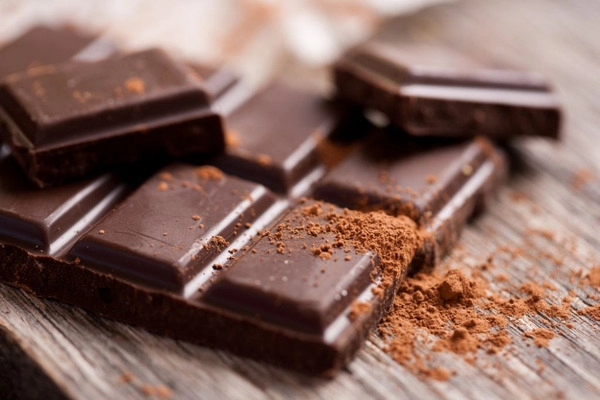
Yes, it''s true. I know that I would find it really hard to resist chocolate if I were forced to follow it for health reasons. Diabetic chocolate is that which contains no sugar and is bitter and not tasty at all. But is that true? Let''s see.
In order to understand diabetics, it is good to know what happens in the absence of the disease. Much of the food we eat is broken down into glucose (blood sugar), which is the fuel for our cells. A hormone called insulin is produced when blood glucose levels rise and insulin is released into the blood by the pancreas. In people who do not have diabetes, this is a perfectly normal process that happens automatically in the body and does not require any special effort. This is not the case for people with diabetes. Diabetes is a chronic condition in which the cells of the pancreas do not produce enough insulin. This makes it impossible or difficult for glucose (sugar) to pass into the cells, so they cannot function normally. The metabolism of carbohydrates, fats and proteins is also disrupted.
Chocolate for diabetics contains natural sugars that provide flavour while controlling the rise in blood sugar.
"You get diabetes if you eat too much sugar."
Not true. Diabetes is caused by genetic factors. Eating too much sugar can cause weight gain, which in turn can be a factor in developing diabetes in the presence of genetic defects.
"People with diabetes should never eat sweets."
Not true. People with diabetes should stick to a balanced diet that allows for dessert on special occasions, along with sufficient exercise.
"Diabetics should never eat sugar."
They can, but table sugar (sucrose) must be part of the meal. For example, sweeten muffins with sucrose, but it is not recommended to sweeten drinks or coffee with sucrose because it will immediately raise blood sugar. If you are used to a sweet taste, you may prefer to use one of the natural non-calorie substitutes (stevia) to sweeten your drinks.
Chocolates can contain several types of sugar and other ingredients that contribute to their high calorific value. In diabetic chocolates, however, natural sweeteners replace the added sugar. These can be maltitol, stevia, erythritol , etc. Natural sugars provide flavour, but also regulate the rise in blood sugar so that it does not rise too quickly, which can be dangerous for diabetics. Chocolates for diabetics have a lower glycaemic index, which is very important for the diet of diabetics.



 Tales of chocolate



 Slovenščina
 Hrvatski
 Deutsch
 Italiano
 Česky
Česky
 Polski
 Magyar
 Français
 Slovák
 Nederlands
 Español