 info@bamchocolate.com
  Login
Login 

 en
en 
 BAM Cake converter
  Login
Login Order ingredients with a 10% discount:
Premium BAM baking products.


 Reading time:
3 minutes
Reading time:
3 minutes 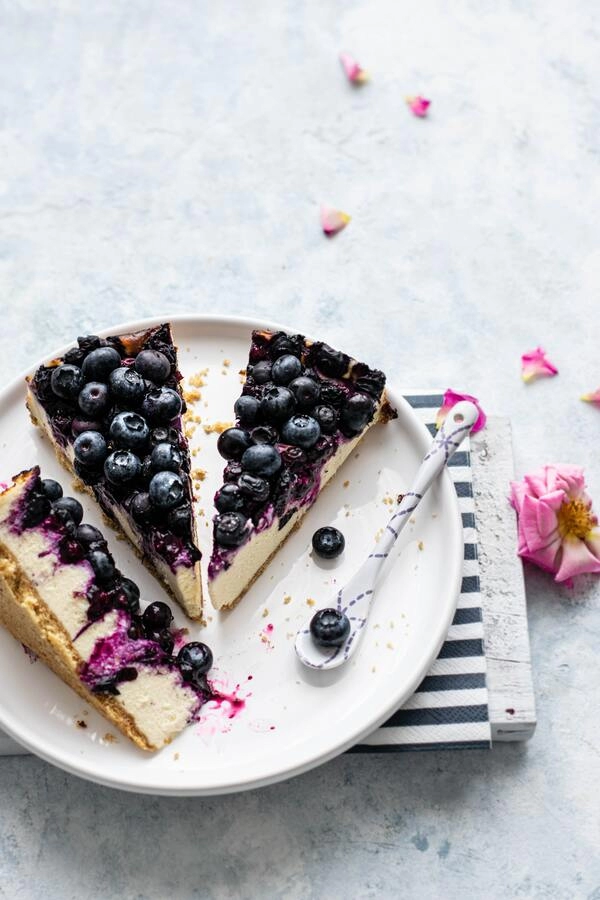
Cheesecake is a dessert that, in principle, does not require much pastry skills. A cookie base, cheesecake cream, any topping and that''s it! But anyone who has made cheesecake at least once knows that this is not the case. What happens most often is that the cookie base cracks or the cream doesn''t set as well as you''d like. That''s why we''ve put together a few tricks and tips to make it a nightmare no more.
No, it won''t. The real or older version of the cheesecake dessert is made with eggs. Eggs trap air in the batter, so keep the eggs as little as possible once they''ve been poured into the custard. However, to make sure that the custard is stirred as little as possible after the eggs have been added, this must be done beforehand. As cheesecake cream does not usually have unpleasant lumps, we recommend using room temperature cream cheese. It is easier to stir than cold, and it is also easier to break up unwanted lumps in the cream.
This will also not be the case. Even though cheesecake does not contain leavening agents such as baking powder and baking soda, you only need to watch the rising process through the closed oven door while the cheesecake is baking. If the oven door is opened continuously, the temperature will change, which may cause cracks. The second most common reason for a cracked cheesecake is baking for too long. Each recipe has a baking time which must not be exceeded. Over-baked dessert = too dry, cracked dessert. Of course, you can also skip this step and make a cheesecake without baking. Recipe waiting here.
Usually, the cheesecake is baked in a water bath. Japanese YouTuber Ochikeron has impressed with a recipe containing just three ingredients to make a dessert that''s a cross between a cake and a fluffy soufflé in texture. It consists of white chocolate, eggs and cream cheese. It is also baked using a water bath.
It simply means what it says. The cheesecake should be baked in a cake tin, which should be placed in a larger baking tray with water. The eggs added to the cheesecake cream need a moist environment to rise properly. The water bath helps to prevent the cheesecake from drying out or burning. The steam from the hot bath will raise the cheesecake slowly and evenly, which of course reduces the chances of cracking.
Simple, and yes, there are other ways to compensate for the hot bath effect. Wrap the baking tray in which the cheesecake is to be baked with aluminium foil on the bottom and sides. Place the baking tray in which the cheesecake is waiting in a large baking dish. Then fill the larger baking tray with hot water. The water should only reach up to 1,5 cm in height.
However, if you are afraid that the hot water will drench your cheesecake, you can adjust the water bath a little. The larger baking tray into which the hot water has been poured can be placed on the lower rack of the oven and the baking tray in which the cheesecake is baked can be placed on the higher rack. But we have to be very quick here. The water in the baking tray should reach up to 1 cm, but this time it must be boiling. As soon as the water is boiling in the oven, place the cheesecake on the top rack and close the oven door quickly to keep the steam caused by the boiling water inside the oven. This steam will create the same effect as if the cheesecake were baked in a water bath.
If there are unannounced visitors knocking at the door, there is the BAM cheesecake mix. This mix creates a delicious, fluffy and light cheesecake custard, without baking. The preparation is very simple, as the mix is simply mixed with water and whipped sweet cream. You can add a biscuit base or sponge cake to the cheesecake filling to taste, and further enhance the flavour with fresh fruit or fruit compote.


 Confectionery tips


 Slovenščina
 Hrvatski
 Deutsch
 Italiano
 Česky
Česky
 Polski
 Magyar
 Français
 Slovák
 Nederlands
 Español