 info@bamchocolate.com
 Login


 en

 BAM Cake converter
 Login
Claudia
Avtorica vsebin


 Reading time:
8 minutes
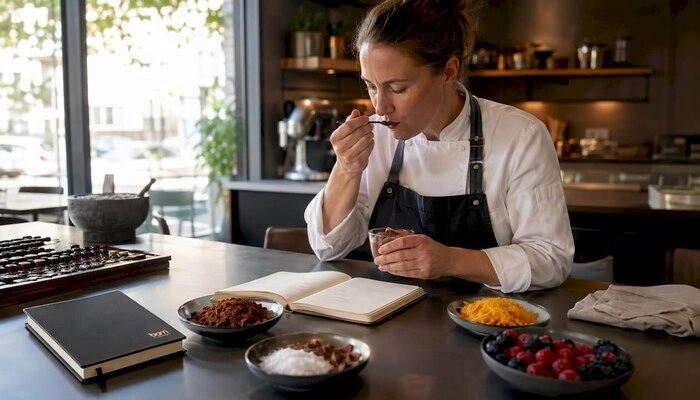
Discover the role of flavor profiles in desserts to enhance creativity and balance. Learn how to craft memorable sweet dishes that delight.
TL;DR:
- Flavour profiles in desserts combine taste dimensions, aromas, textures, and temperatures to create memorable experiences. Balancing at least three of the five fundamental tastes—sweetness, acidity, bitterness, saltiness, and umami—is essential for a harmonious and engaging dessert. Texture, temperature, and aroma further shape perception, ensuring the dessert remains interesting and tasty.
Flavour profiles in desserts are the deliberate combination of taste dimensions, aromas, textures, and temperatures that together determine how a sweet dish tastes, feels, and lingers. Get the profile right and a dessert becomes memorable. Get it wrong and even the finest ingredients fall flat.
A balanced dessert draws on at least three of the five fundamental taste dimensions: sweetness, acidity, bitterness, saltiness, and umami. No single taste carries a dessert on its own. The role of flavour profiles in desserts is, at its core, about managing the tension and harmony between these elements so that each bite rewards the palate rather than exhausting it.
Key reasons flavour profiles define dessert quality:
Bamchocolate, trading as BAM - Become A Master, applies these principles across its range of premium baking ingredients and recipe resources, giving home bakers the tools to build genuinely complex dessert flavour combinations.
Professional pastry guidelines suggest a baseline of three taste dimensions per dessert for a memorable result. Understanding each one in isolation is the first step to combining them well.
The Maillard reaction and caramelisation add another layer entirely. Thermal processing between 140–200 °C drives non-enzymatic browning that produces roasty, nutty, and warm brown-sweet notes. Manipulating pH with baking soda accelerates these reactions, producing deeper, more complex flavour notes in cookies and baked goods without any additional flavouring.
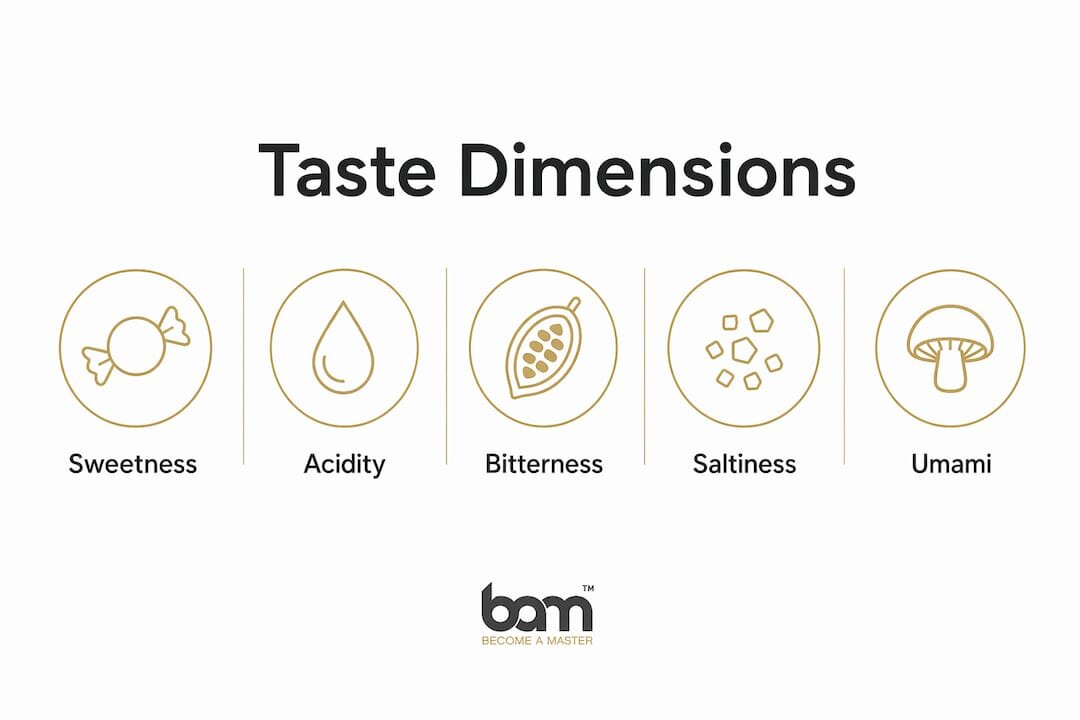
Taste is only part of the story. Flavour balance also relies on texture, temperature, and aroma, each of which shapes perception and prevents monotony.
Texture creates contrast that keeps eating interesting. A crisp praline shell surrounding a soft ganache centre delivers two entirely different tactile experiences in one bite. A nutty base beneath a smooth cream adds complexity without altering the flavour notes themselves. Uniform texture, by contrast, is boring regardless of how well the tastes are balanced.
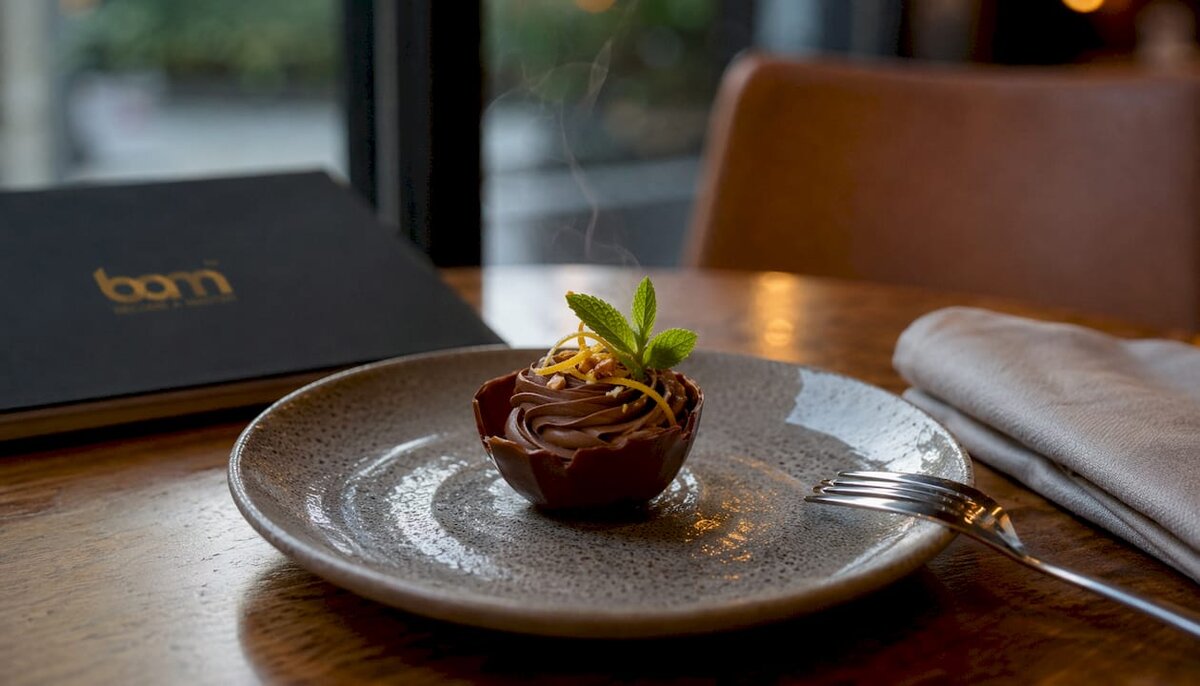
Temperature changes how flavours are released. Warm fillings volatilise aromatic compounds faster, intensifying perceived flavour. Cold elements, such as a sorbet served alongside warm cake, slow that release and create a dynamic interplay. The contrast of temperatures keeps desserts from feeling static.
Aroma is arguably the most underestimated factor. Aroma often plays a larger role than basic taste in shaping the perception of specific dessert flavours. Both orthonasal olfaction (smelling before eating) and retronasal olfaction (aroma travelling up from the mouth during chewing) link what you taste to what your brain recognises as a specific flavour. Vanilla, for instance, reads as “sweet” partly because its aroma primes that expectation before the sugar even registers.
Pro Tip: Add a small amount of citrus zest or a few drops of quality extract to your dessert just before serving. Heat and time degrade volatile aromatic compounds, so late additions preserve the brightness that makes a flavour profile feel alive.
Professional pastry chefs conceive desserts as flavour narratives with a starring flavour enhanced by supporting contrasting tastes and textures. This approach transforms a dessert from a collection of components into a purposeful composition.

Tiramisu is a useful example. Coffee is the starring flavour. Mascarpone and cream provide the fatty, fresh dairy counterpoint. The savoiardi biscuits add textural contrast and absorb the espresso. A dusting of bitter cocoa resolves the sweetness. Every element has a role, and none oversteps it. You can explore the flavour composition of tiramisu in more detail to see how this layering works in practice.
Cultural context shapes flavour profiles in ways that go well beyond ingredient lists. Japanese wagashi desserts prioritise subtle sweetness and umami from red bean paste, with almost no acidity. Middle Eastern pastries lean on floral aromatics, honey, and nut bitterness. Scandinavian baking embraces cardamom and rye for warm, slightly bitter notes. Understanding these traditions opens up unconventional pairings: miso caramel, black sesame ganache, yuzu curd, or tahini buttercream all draw on cultural flavour logic applied to familiar dessert formats.
Principles for creative flavour profile design:
For a practical look at how white chocolate’s subtle flavour profile can anchor a creative dessert composition, Bamchocolate’s resources offer clear guidance on working with its particular sweetness and fat content. Wine pairing principles follow similar logic: understanding complementary flavour design across a tasting menu reinforces how a starring note and its supporting contrasts create a coherent sensory arc.
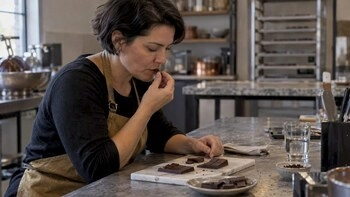
Applying flavour profile principles at home does not require professional equipment. It requires tasting deliberately and adjusting in sequence.
Bamchocolate’s baking accessories and ingredients are selected to support exactly this kind of deliberate, flavour-first approach, from high-quality couverture chocolate to specialist fillings that carry genuine flavour complexity.
Pro Tip: When a dessert tastes almost right but something is missing, try a pinch of flake salt before reaching for more sugar. Salt triggers salivation and spreads existing flavours across the palate, often resolving the gap without adding sweetness.
A balanced dessert draws on at least three taste dimensions, supported by deliberate textural contrast, temperature interplay, and aroma, to create a flavour profile that is both coherent and memorable.
| Point | Details |
|---|---|
| Three taste dimensions minimum | Sweetness, acidity, and bitterness together form the baseline for a balanced, memorable dessert. |
| Salt as a structural tool | Finishing with flake salt regulates sweetness and spreads flavour across the palate. |
| Aroma shapes flavour perception | Retronasal olfaction links taste to flavour recognition; add aromatics late to preserve them. |
| Texture and temperature matter | Contrasting textures and temperatures keep desserts dynamic and prevent monotony. |
| Adjust sugar before acidity | Reducing sugar first, then calibrating acid, produces cleaner, more refined balance. |
Dessert flavour profiles are built on five taste dimensions: sweetness, acidity, bitterness, saltiness, and umami. A balanced dessert typically draws on at least three of these to create a memorable, multi-layered experience.
The five are sweetness, sourness (acidity), bitterness, saltiness, and umami. Each plays a distinct structural role: sweetness provides the baseline, acidity lifts and refreshes, bitterness adds depth, salt amplifies everything else, and umami contributes a subtle, lingering richness.
Flavourings, including extracts, spices, and aromatic ingredients, extend the flavour profile beyond basic taste by engaging the olfactory system. Aroma often shapes flavour perception more than taste alone, which is why vanilla, citrus zest, and toasted spices have such a pronounced effect on the overall experience.
Reduce sugar to the right level first, then introduce acidity in small increments. Adding acid to an over-sweet base creates a disjointed result; calibrating sweetness first gives acidity a clean foundation to work against, producing a more refined, elegant balance.


 Confectionery tips



 Slovenščina
 Hrvatski
 Deutsch
 Italiano
 Česky
 Polski
 Magyar
 Français
 Slovák
 Nederlands
 Español