 info@bamchocolate.com
 Login


 en

 BAM Cake converter
 Login
Claudia
Avtorica vsebin


 Reading time:
10 minutes
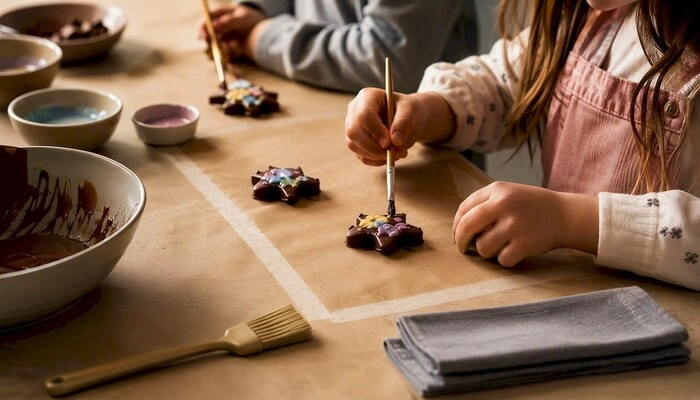
Safety first, low mess chocolate ideas for kids' birthdays: three formats matched to age and budget, plus simple recipes and supplier picks.
Three approaches work for chocolate at a children’s birthday: hand out chocolate favours as gifts, run a supervised hands-on activity like truffle-making or chocolate painting, or set up a simple treat station guests help themselves to. Each suits a different age group and budget, but all three carry the same rule: check every ingredient label for nuts, dairy and choking hazards before a single child touches the chocolate. The activity kits and workshop options below help you match the right format to your party.
TL;DR:
- Handing out allergen-checked chocolate favors is suitable for all ages and requires minimal effort and cost.
- DIY activities like edible painting and simple moulding work well for children aged 3 to 10, with supervision for hot or hard chocolate.
- Active games and timed tasks help control sugar intake and maintain pacing during the party, especially for younger children.
- Use pre-packaged, allergen-labelled chocolates in small portions of 20 to 30 grams for favors or dessert tables to ensure safety and presentation.
- Bamchocolate offers practical supplies and ready-made gift sets to simplify organizing a safe, enjoyable chocolate birthday party.
Picking the right format matters more than picking the right recipe. Here’s how the four main options stack up:
For toddlers aged 3 to 5, stick to painting and soft, pre-portioned treats rather than anything involving hot, melted chocolate or hard pieces. Children aged 6 and older can usually manage truffle rolling, simple moulding, and even a supervised workshop outside the home.
Favours don’t need to be complicated to feel special. Personalised mini bars with a child’s name on the wrapper, small praline boxes, hot-chocolate-on-a-stick, chocolate-dipped fruit skewers, and unbreakable moulded chocolate shapes all work well as goodie bag fillers or dessert table centrepieces. Shops selling curated chocolate gift sets for children show how far a bit of themed packaging goes in making a simple bar feel like a proper present.
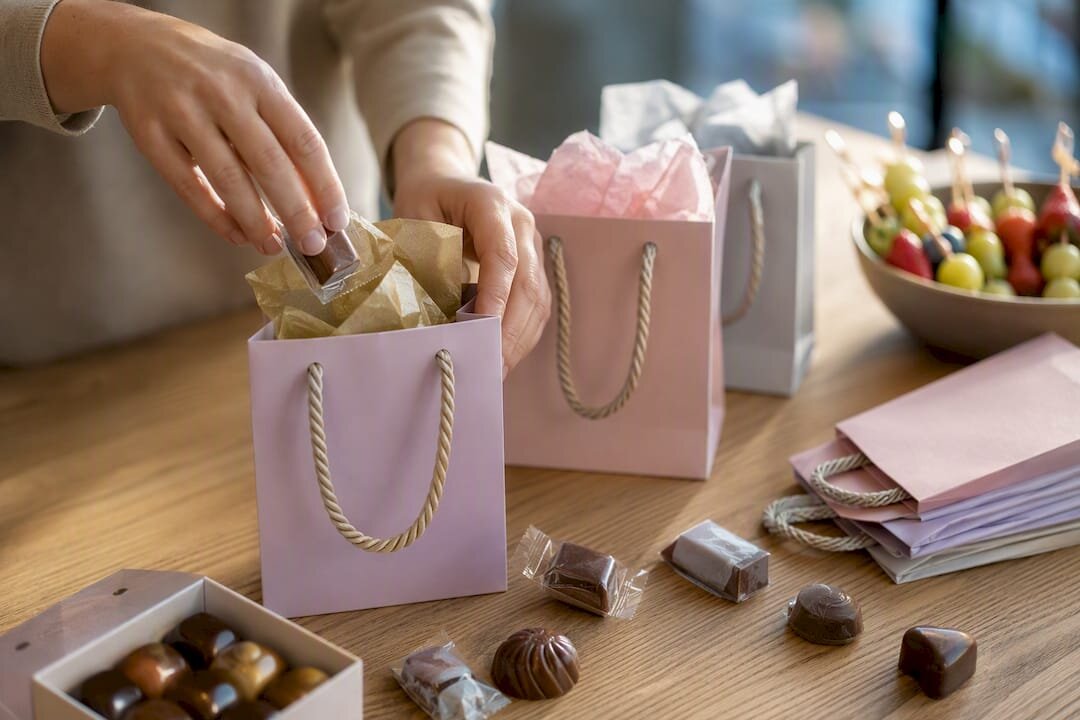
Pro Tip: Aim for roughly 20 to 30 grams of chocolate per child for a goodie bag treat, and closer to 40 to 50 grams if it’s the main dessert table item alongside other snacks.
A few packaging habits make the difference between a chaotic dessert table and one that runs itself:
A detailed why chocolate is one of the most original birthday gifts piece covers more ideas for presentation if you want the favours to double as a genuine gift rather than an afterthought.
A DIY chocolate station turns the party itself into the entertainment, and it costs far less than booking a venue. Four activities cover most age groups:
Your materials checklist should cover melting wafers, silicone brushes, disposable plates, aprons, and tape for securing paper to tables or floors. Keep an adult stationed at any bowl of melted chocolate, since it holds heat longer than it looks.
If you’d rather skip the shopping list, a ready-made kit works well. Look for one that states servings clearly, includes child-safe tools, and lists allergens on the box; these are the three features parent reviews of DIY chocolate sets flag as the difference between a smooth afternoon and a stressful one. Natural colourants can also brighten edible paint without artificial dyes, and dosing guides for natural food colourants are worth a glance if you want pastel shades for a themed party.
Chocolate on its own gets boring fast, and unlimited access to it rarely ends well. Party guides tend to recommend alternating edible tasks with active games to keep the pacing manageable and the sugar intake sensible. A few tested formats:
Offer water or fruit between rounds, and keep at least one active game (musical statues, a scavenger hunt) between every edible activity. Non-food prizes, such as stickers or small toys, stop the party turning into a second dessert table by mid-afternoon.
You don’t need a professional setup to serve chocolate that looks and tastes deliberate.
Keep melted chocolate workable by microwaving in short bursts rather than one long blast, which avoids scorching without needing a bain-marie. Aprons and taped butcher paper protect tables and clothes far better than napkins alone. For painting or dipping activities, budget around 300 to 400 grams of melting chocolate per 10 children, plus extra for anyone who wants seconds. A chocolate decorations for all occasions guide has more presentation ideas if you want the table to look as good as it tastes.
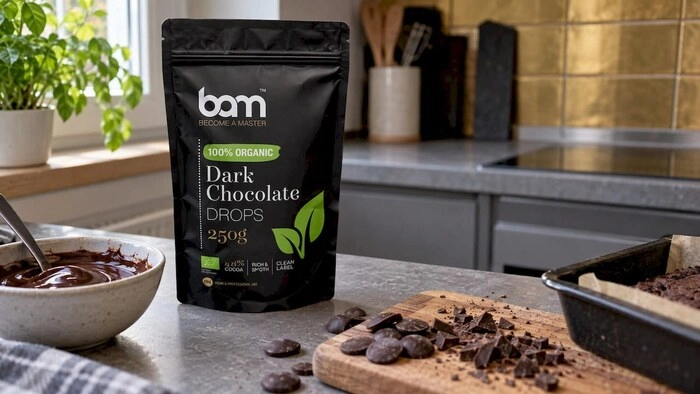
BAM - Become A Master specialises in premium baking chocolate, curated surprise boxes and recipe resources built for exactly this kind of hands-on baking. For gift favours, its gift and surprise box ranges suit parents who want something ready-made; for DIY activities, baking accessories and melting-friendly chocolate cover the practical side. Before buying anything for a party, run through this checklist:
A milk chocolate and children guide covers age-appropriate chocolate types in more depth if you’re unsure which product fits your guest list.
Most party advice treats chocolate as decoration rather than an activity with its own logistics, and that’s the gap worth closing. The workshop route gets recommended constantly, but it only suits families happy to book, travel and pay for a hosted slot; for a Tuesday-after-school party with eight kids, a taped-down sheet of butcher paper and a bowl of edible paint does more for less money and less stress.
The bigger oversight is pacing, not ingredients. Parents plan the chocolate and forget the sugar comedown that follows an hour of unrestricted access to it. Building in active games between edible activities isn’t just good manners toward other parents picking up wired children later. It’s the single easiest fix nobody plans for in advance.
Age suitability gets flattened into one blanket rule too often. A 4-year-old and an 8-year-old have completely different tolerances for hot melted chocolate, multi-step instructions and unsupervised nibbling, so the right answer is rarely “the same activity for everyone in the room.” Match the format to the age group first, and the rest of the party planning gets considerably easier.
— Andraz
Bamchocolate is the practical route for parents who’d rather not chase down melting wafers, moulds and allergen-safe favours from three different shops. Its baking accessories range covers the brushes, moulds and tools a DIY chocolate station needs, while the surprise box range gives you a ready-assembled option when you want a gift or favour without building one from scratch. Parents wanting recipe support rather than guesswork can lean on the dessert recipe collection for truffle and dipping instructions that match what’s covered above. If you’re planning treats rather than a hands-on station, browse the gift corner for pre-packaged options that suit goodie bags or a dessert table centrepiece, and check product pages for allergen details before you order.
Melt chocolate wafers gently in short microwave bursts, pour into silicone moulds or use it as a dip for fruit and pretzels, and always supervise the melting step since bowls stay hot longer than they look.
Milk chocolate is generally the safest default for most children’s palates and tends to cause fewer reactions than nut-containing varieties, though sugar-free or allergen-free options suit children with specific dietary needs.
The classic version has children try to eat a chocolate bar balanced on a plate using gloves, a knife and fork, and a hat and scarf, racing against a die roll; it suits children aged 7 and up who can manage the multi-step rules.
There’s no strict minimum age, but most guidance suggests introducing chocolate gradually from around age 2 to 3, avoiding hard or whole-nut inclusions until children can chew and swallow safely, and always checking for allergies first.


 Confectionery tips


 Slovenščina
 Hrvatski
 Deutsch
 Italiano
 Česky
 Polski
 Magyar
 Français
 Slovák
 Nederlands
 Español