 info@bamchocolate.com
 Login


 en

 BAM Cake converter
 Login
Claudia
Avtorica vsebin


 Reading time:
11 minutes

Discover the essential role of spreads in gourmet desserts. Enhance flavor and texture effortlessly for impressive homemade treats.
TL;DR:
- Spreads enhance both flavor and texture in gourmet desserts, acting as integral ingredients rather than toppings.
- They simplify home baking by providing consistent results, reducing preparation time, and offering versatile applications.
Spreads are defined as flavour and texture enhancers that function as integral ingredients in gourmet desserts, not merely as toppings. The role of spreads in gourmet desserts covers everything from filling croissants and layering cakes to creating pourable sauces and decorative glazes. In professional pastry kitchens, spreads are increasingly treated as “platform ingredients,” meaning they carry both flavour and structural responsibility within a recipe. For home bakers, they offer a direct route to gourmet results without requiring specialist equipment or advanced technique. Understanding how to select, apply, and combine spreads is the single most practical skill you can add to your dessert repertoire.
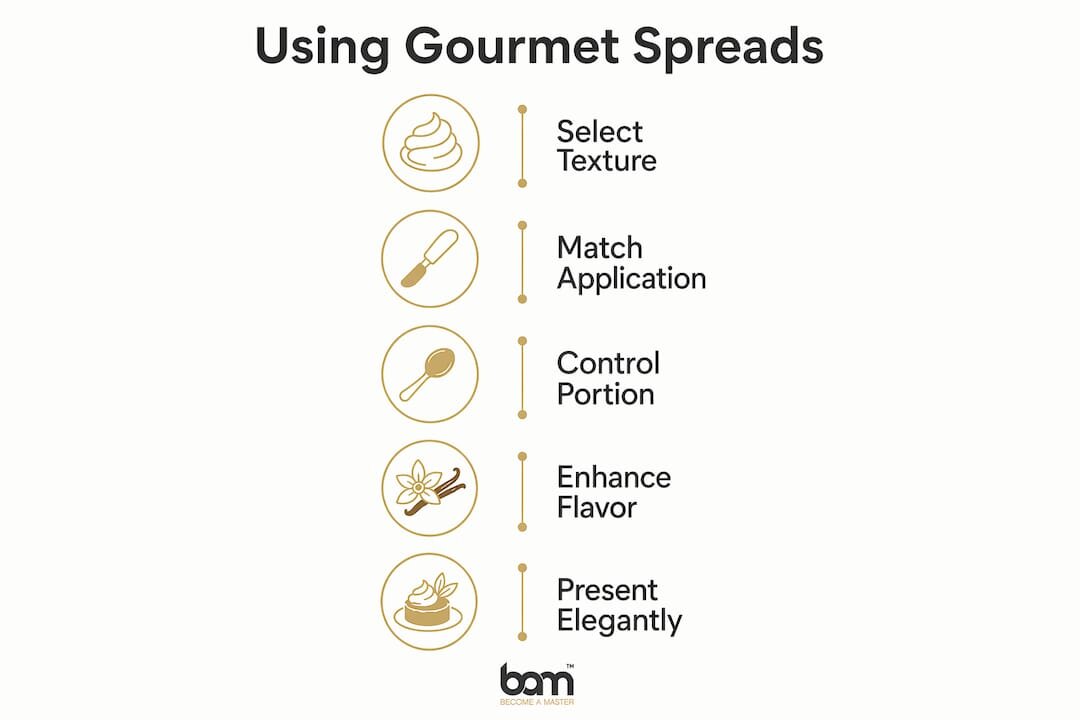
Spreads deliver two distinct benefits simultaneously: they intensify flavour and they alter the physical texture of a dessert. These two functions are inseparable in gourmet applications, which is why professional bakers treat them as foundational rather than optional.
Caramel-spiced spreads such as Biscoff enhance desserts by balancing richness and sweetness without overpowering the main ingredients. That balance is the key point. A spread should amplify what is already in the dessert, not compete with it. Pistachio nut blends add a savoury, earthy note that cuts through heavy cream or chocolate, creating contrast rather than monotony. Sweet cream cheese schmears contribute smooth, balanced sweetness and texture contrast, complementing base ingredients without dominating them.
The textural contrast that spreads deliver is central to modern upscale desserts. Dubai-style pistachio spread combines nut paste, chocolate, and crispy pastry, illustrating how a single spread can introduce creamy, crunchy, and smooth elements in one bite. That multi-layered mouthfeel is what separates a gourmet dessert from a standard one. Spreads integrate with creams, cakes, and pastries to create this layered sensory experience in a way that individual ingredients rarely achieve alone.
Key ways spreads enhance gourmet desserts:
Pro Tip: Expert bakers recommend controlling spread proportion carefully. Use spreads to enhance, not dominate. A thin, even layer between sponge layers delivers more impact than a thick application that masks the base flavour.
Gourmet spreads have evolved into platform ingredients that reduce kitchen workload while ensuring consistent texture in fillings for donuts, croissants, and sponge cakes. That shift in how spreads are categorised changes how you should approach them in your kitchen.
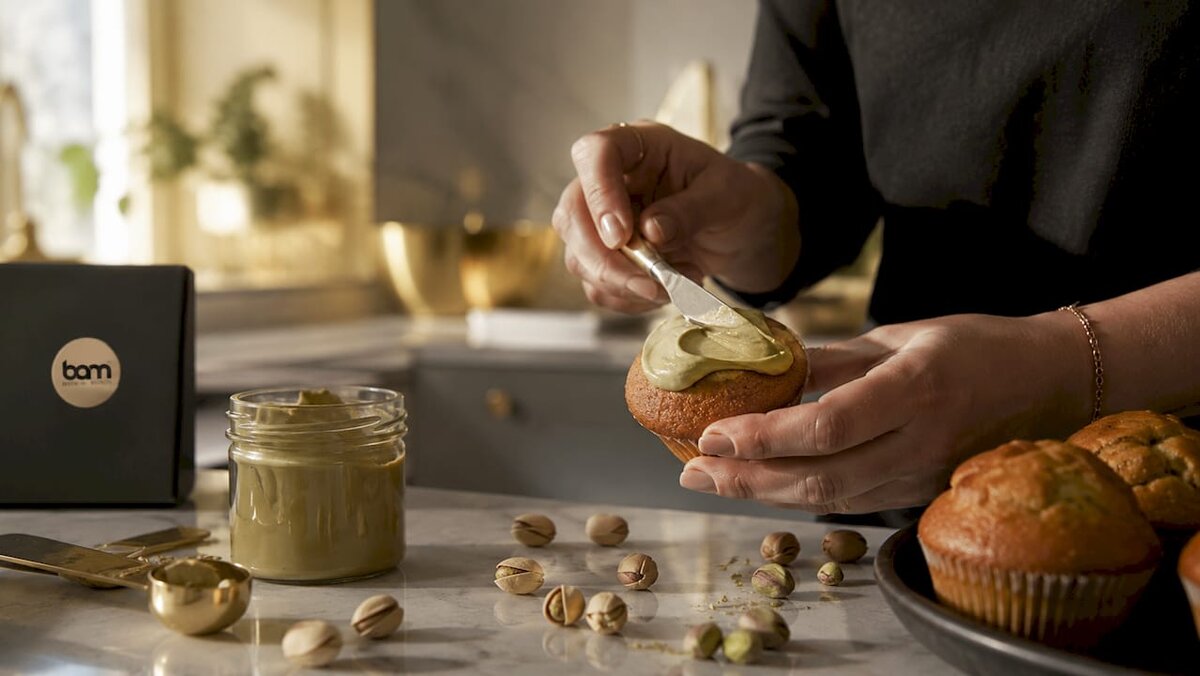
Making a classic pastry cream from scratch requires constant stirring, temperature monitoring, and cooling time. A quality pistachio or hazelnut spread achieves a comparable result in seconds. Spreads for gourmet pastries like those in the Bamchocolate spreads range are formulated to perform across hot and cold applications, which means you can pipe them cold, warm them as a sauce, or bake them into a tart without reformulating the recipe.
Practical advantages for home bakers:
Temperature management is the one variable that home bakers must control. Spreads thicken when cold and thin when warm. Warming a spread to room temperature before piping gives you cleaner lines and better coverage. Chilling a filled pastry for 20 minutes after assembly sets the spread and improves sliceability.
Pro Tip: When adapting a professional recipe that calls for pastry cream, substitute a quality spread at a 1:1 ratio for the filling. Reduce the quantity slightly if the spread is sweeter than the original cream, then taste before assembling.
Current gourmet dessert trends centre on contrast: sweet against savoury, smooth against crunchy, familiar against exotic. Spreads are the most direct tool for achieving that contrast without rebuilding a recipe from scratch.
Pistachio and chocolate is the pairing that has dominated professional bakeries and social media feeds. The BAM Pistachio Spread delivers the earthy, slightly savoury quality that makes this combination work. Caramel-spiced profiles, led by Biscoff-style spreads, remain a staple because they pair with almost every base: vanilla sponge, dark chocolate ganache, and even citrus tarts. Nutty banana, as seen in the BAM Nutty Banana Spread, adds a tropical note that works particularly well in no-bake desserts and layered trifles.
The gourmet snack industry shows the same pattern: consumers want complex, layered flavour experiences rather than single-note sweetness. Spreads are the most accessible way to deliver that complexity at home.
| Application | Recommended spread profile | Best format |
|---|---|---|
| Layered cake filling | Pistachio or hazelnut | Smooth, room temperature |
| Tart base or crust | Caramel-spiced or cocoa | Mixed into crumb base |
| Dessert sauce | Any spread thinned with cream | Warmed and poured |
| Frosting or topping | Cream cheese or nut-based | Whipped or spread cold |
| No-bake dessert | Banana-nut or chocolate | Chilled and set |
Creative applications worth trying include dessert pizzas with a cocoa spread base and fresh fruit, mug cakes with a pistachio centre, and no-bake cheesecakes using cream cheese schmear blended with a caramel spread. Seasonal adaptation is straightforward: swap a pistachio spread for a spiced caramel in autumn, or use a fruit-infused blend in summer trifles.
Selecting the right spread is a decision based on three factors: texture, bake-stability, and flavour intensity. Getting all three right determines whether your dessert succeeds or falls flat.
Mixing a spread into a batter works well for muffins and brownies, where it adds moisture and flavour without creating a distinct layer. As a topping, apply spreads after baking and cooling to preserve their flavour compounds, which can degrade under prolonged heat. For layered desserts, chill each spread layer for 15 minutes before adding the next component.
Pro Tip: To make a quick dessert sauce, mix 2–3 tablespoons of a quality spread with a splash of cream and microwave for 20 seconds. The result is a pourable gourmet sauce at minimal cost, suitable for drizzling over ice cream, pancakes, or warm tarts.
Presentation is where spreads offer a benefit that most home bakers overlook. A well-applied spread changes not just how a dessert tastes but how it looks and how it is perceived before the first bite.
Spreads used as decorative glazes create a smooth, reflective surface on tarts and cakes that signals quality. A thin layer of chocolate ganache cream applied with a palette knife produces a finish that rivals professional patisserie. Crunchy spread variants, such as those containing caramelised biscuit pieces or chopped nuts, add visual texture that makes a dessert look more complex than it is.
Key presentation techniques using spreads:
Balancing aesthetics with flavour integrity means not over-applying. A decorative drizzle should be thin enough to see through. A swirl topping should be proportionate to the dessert base. The visual element should reinforce the flavour, not contradict it.
Spreads are the most versatile single ingredient a home baker can use to improve both the flavour and presentation of gourmet desserts simultaneously.
| Point | Details |
|---|---|
| Spreads serve dual functions | They enhance flavour and alter texture at the same time, making them foundational in gourmet recipes. |
| Proportion control is critical | Use spreads to amplify base flavours, not replace them; a thin, even application delivers more impact. |
| Temperature management matters | Warm spreads to room temperature before piping; chill assembled desserts to set layers cleanly. |
| Bake-stability varies | Test spreads in small quantities at high heat before baking; avoid boil-out by incorporating into batters. |
| Presentation value is underused | Spreads as glazes, drizzles, and textured layers significantly improve visual appeal with minimal extra effort. |
The conventional view is that spreads are a shortcut. You use them when you do not have time to make something “proper.” I disagree with that framing entirely.
After working with a wide range of gourmet spreads, the thing that strikes me most is how much technical work they do invisibly. A good pistachio spread does not just add flavour. It changes the moisture distribution in a cake layer, extends freshness, and creates a textural contrast that a hand-made cream rarely achieves on the first attempt. That is not a shortcut. That is a well-formulated ingredient doing its job.
The learning curve is real but short. The first time you use a spread in a baked application, you will likely over-apply it. The second time, you will get the proportion right. By the third attempt, you will start adapting recipes deliberately, swapping pastry cream for a nut spread or adding a caramel drizzle where the original recipe had none.
Sourcing quality matters more than technique. A premium spread with a clean ingredient list and a stable fat content will behave predictably. Budget spreads often separate in the oven or taste artificial when warmed. The nut butter health benefits research also shows that quality nut-based spreads carry genuine nutritional value, which matters if you are baking for people who pay attention to what they eat.
My practical advice: start with one spread, use it in three different applications across a fortnight, and note what works. You will learn more from that experiment than from reading ten recipes.
— Andraz
Bamchocolate stocks a focused range of premium spreads and dressings designed specifically for gourmet pastry and dessert work at home. The selection covers pistachio, cocoa, banana-nut, and caramel profiles, each formulated for consistent performance across cold and hot applications. For home bakers who want a structured starting point, the BAM Confectionery Set Creamy Fillings bundles key spreads with complementary baking accessories, removing the guesswork from ingredient selection. The full baking accessories range at Bamchocolate supports every stage of gourmet dessert preparation, from filling and piping to glazing and finishing.
Spreads function as flavour enhancers and textural agents in gourmet desserts, providing richness, moisture, and contrast within multi-component recipes.
A quality spread can substitute for pastry cream as a filling in most layered desserts. Reduce the quantity slightly if the spread is sweeter than the original cream.
Limit spread use in high-heat applications above 180°C, or incorporate it within the batter rather than as a distinct layer to avoid fat and sugar separation.
Pistachio and chocolate, caramel and spice, and banana-nut with vanilla are the most reliable pairings. Each balances richness with contrast without overpowering the base dessert.
Mix 2–3 tablespoons of any quality spread with a splash of cream and microwave for 20 seconds. The result is a smooth, pourable sauce suitable for ice cream, tarts, and pancakes.



 Chocolate novelties


 Slovenščina
 Hrvatski
 Deutsch
 Italiano
 Česky
 Polski
 Magyar
 Français
 Slovák
 Nederlands
 Español