 info@bamchocolate.com
 Login


 en

 BAM Cake converter
 Login
Claudia
Avtorica vsebin


 Reading time:
10 minutes
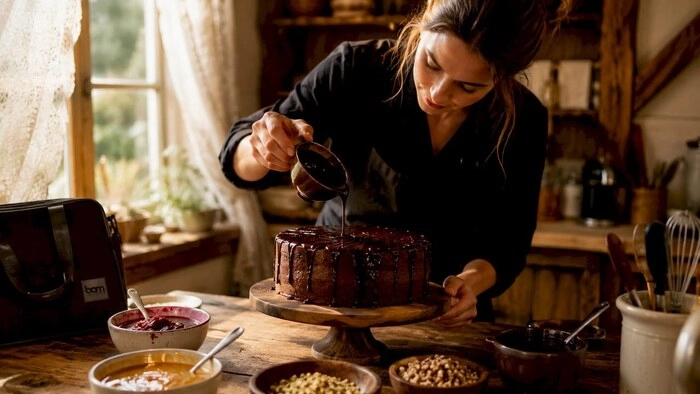
Discover inspiring examples of creative dessert toppings to elevate your baking. Transform simple treats with unique flavors and textures!
TL;DR:
- Creative dessert toppings combine flavors, textures, and colors to transform simple sweets into memorable dishes. Proper layering and contrast, like tart fruit coulis against rich ganache or crunchy nuts on creamy desserts, enhance presentation and flavor. Using a variety of toppings from glossy sauces to crunchy garnishes creates a balanced and visually striking dessert experience.
Creative dessert toppings are inventive combinations of flavours, textures, and colours that transform simple desserts into memorable plates. The best examples of creative dessert toppings work because they introduce contrast: a sharp berry coulis against rich ganache, or candied hazelnuts on a silky panna cotta. Culinary techniques such as fruit coulis, caramel drizzles, and seed brittle are the standard vocabulary of professional pastry garnishes. This guide covers the full range, from natural fruit sauces to playful edible embellishments, so you can apply each idea with confidence.
Fruit toppings are the most versatile category of dessert garnishes, and knowing the difference between a compote and a coulis gives you precise control over texture and presentation. A compote is chunky, cooked fruit in syrup. A coulis is a smooth, strained purée. The choice between them determines whether your finish reads as rustic or refined.
Natural fruit toppings deliver two things at once: vibrant colour and acidity. That acidity is not decorative. Acidic elements prevent flavour fatigue in rich desserts, waking the palate between bites of dense chocolate cake or creamy cheesecake. A raspberry coulis on a white chocolate tart is a textbook example of this principle in action.
Quick fruit toppings you can prepare at home:
Homemade fruit compotes and coulis consistently outperform commercial syrups for ice cream sundaes because they deliver concentrated natural flavour. That concentration comes from cooking down real fruit rather than diluting with artificial flavouring agents.
Pro Tip: Pair a bright fruit coulis with a rich base like chocolate ganache. The acid in the fruit cuts through fat and keeps each mouthful tasting fresh. See how to combine fruit and chocolate for a reliable flavour framework.
Chocolate ganache is the anchor topping of professional pastry work. It is made from two ingredients: cream and chocolate, combined in a ratio that determines whether the result is a pourable glaze or a thick, spreadable coating. For a drizzle, a 1:1 ratio by weight works reliably. For a thicker coating, increase the chocolate proportion. Bamchocolate’s guide to versatile chocolate ganache cream covers the ratios and timing in detail.
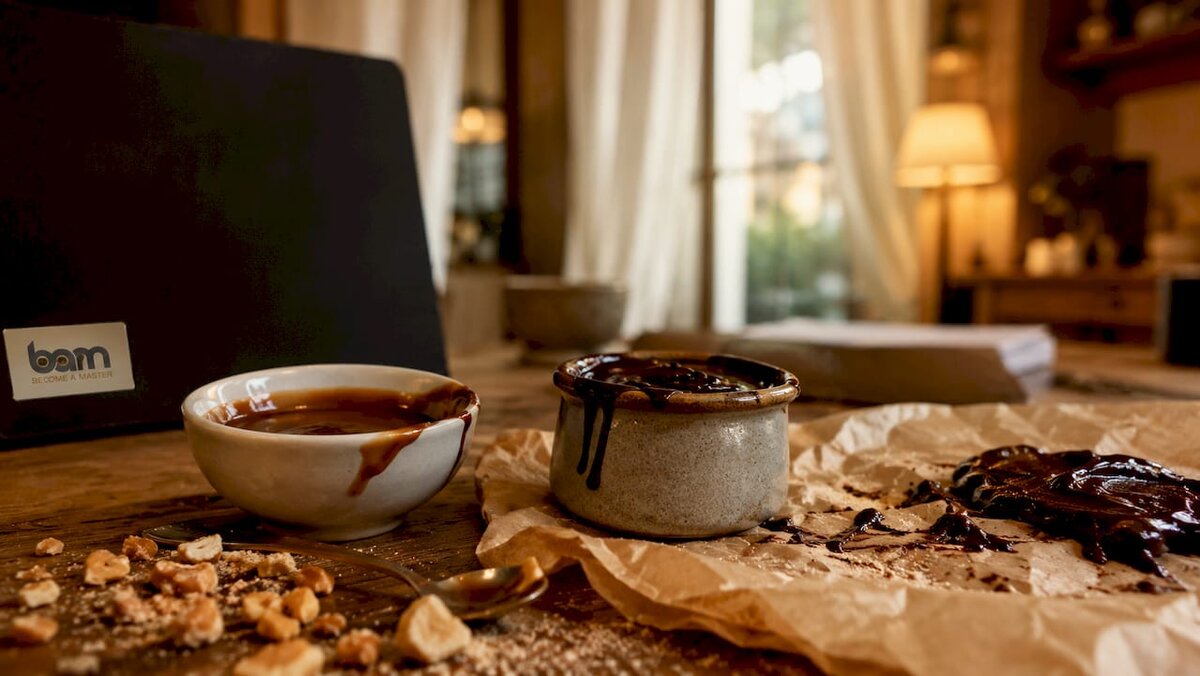
Timing matters as much as the recipe. Chocolate ganache hardens on cold desserts, creating a shell effect. That is the principle behind the classic “magic shell” on ice cream: warm liquid chocolate meets a frozen surface and sets within seconds. On warm desserts, ganache stays fluid and glossy, which suits plated puddings and lava cakes.
Key chocolate and caramel drizzle options:
Pro Tip: Use ganache as your anchor topping first. Apply it to the base of your dessert before adding lighter elements. Intentional stacking with anchor toppings creates a structured presentation and stops fragile garnishes from sliding.
Caramel sauce deserves its own mention as a standalone topping. It works across almost every dessert category, from ice cream to tarts to brownies. Bamchocolate’s piece on caramel as a topping makes the case that simplicity here is a strength, not a compromise.
Texture adds a dimension of flavour that sweetness alone cannot provide. Candied nuts and honeycomb transform desserts from passive eating into an active, engaging experience. The crunch creates a moment of contrast that makes the soft or creamy base taste richer by comparison.
Popular crunchy topping options:
The table below compares common crunchy toppings by flavour profile and texture intensity:
| Topping | Flavour profile | Texture intensity |
|---|---|---|
| Candied hazelnuts | Nutty, toffee | High |
| Honeycomb | Sweet, caramel | Medium (dissolves fast) |
| Almond brittle | Buttery, caramel | High |
| Cookie crumble | Buttery, sweet | Medium |
| Seed brittle | Nutty, caramel | Medium to high |
| Caramel popcorn | Sweet, salty | Medium |
Textural toppings work best over creamy or mousse-based desserts. The contrast between a firm crunch and a yielding base is what makes the combination memorable. Avoid placing honeycomb or brittle on wet sauces, as moisture dissolves the structure within minutes.
Visual contrast is a legitimate part of dessert design. Guests notice presentation before they taste anything, and a well-topped dessert photographs well, which matters for home bakers sharing their work. The most effective visual toppings combine colour, height, and unexpected texture.
Options for striking visual garnishes:
Pro Tip: Stack toppings intentionally rather than scattering them. Place the heaviest element first, then build upward with lighter garnishes. Structured layering is what separates professional plating from home baking that looks rushed.
Matcha glaze and fruit purée drizzles also serve a functional purpose beyond colour. They introduce a secondary flavour note that makes the overall dessert more complex. A matcha drizzle on a vanilla sponge adds a gentle bitterness that balances the sweetness of the cake.
Effective topping combinations follow a clear principle: balance salt, sweetness, fat, heat, acid, and crunch to build a complete flavour profile. No single element should dominate. A dessert that is only sweet becomes one-dimensional quickly.
Reliable combination frameworks:
Timing of application is a separate skill. Warm desserts should receive sauces last to maintain ideal viscosity and prevent the sauce from being absorbed into the base. Cold desserts benefit from chocolate toppings applied while the dessert is still frozen, so the shell effect sets cleanly. Honeycomb and brittle go on at the very last moment, regardless of temperature, to preserve their crunch.
Cross-category inspiration also drives the most memorable topping combinations. Borrowing from breakfast, street food, or savoury cooking produces results that feel genuinely original. Miso caramel, tahini drizzle, or cardamom-spiced cream are all examples of toppings that arrived from outside the traditional dessert canon and are now considered gourmet options.
The most effective dessert toppings combine contrasting flavours, textures, and colours, with timing and layering technique determining whether the result looks professional or improvised.
| Point | Details |
|---|---|
| Contrast drives flavour | Pair rich bases with acidic fruit toppings to prevent flavour fatigue and keep each bite fresh. |
| Texture is a flavour tool | Candied nuts, honeycomb, and brittle add sensory engagement that sweetness alone cannot provide. |
| Timing affects texture | Apply sauces last on warm desserts; use chocolate on cold desserts for a clean shell effect. |
| Anchor toppings first | Apply ganache or a thick sauce as a base layer before adding lighter, fragile garnishes. |
| Cross-category ideas work | Toppings borrowed from savoury or breakfast traditions, such as miso caramel or tahini, produce genuinely original results. |
I have watched bakers spend an hour perfecting a ganache and then scatter a handful of sprinkles on top as an afterthought. The sprinkles are not wrong, but they miss the point. Texture is where the real opportunity sits.
The combination I return to most often is a smooth, slightly bitter dark chocolate base with a sharp berry coulis and a scattering of candied hazelnuts. Each element does a specific job. The coulis provides acid. The nuts provide crunch and a secondary flavour note. The ganache holds everything together visually and structurally. None of the three elements works as well alone.
What I find most useful is the idea of cross-category inspiration for toppings. The best topping idea I have used recently came from a savoury dish: a tahini drizzle over a dark chocolate brownie, finished with sea salt flakes. It sounds wrong until you taste it. The sesame bitterness and the salt together do something that no amount of chocolate sauce can replicate.
The practical advice I give most often is this: decide on your topping combination before you bake, not after. The base should be designed to receive the topping, not the other way around. A very sweet sponge needs an acidic or bitter topping. A neutral base gives you freedom. Baking with the topping in mind from the start produces more coherent results than adding garnishes as decoration at the end.
— Andraz
Bamchocolate stocks the ingredients that make creative topping work practical rather than aspirational. The baking accessories range includes additives and tools suited to ganache preparation, caramel work, and textured garnishes. For bakers who want to work with fruit-forward toppings, the fruit fillings confectionery set provides ready-to-use fruit bases that pair directly with chocolate or cream desserts. The creamy fillings set covers the rich, smooth layer that anchors most topping combinations. All products are available directly through the Bamchocolate webstore, with options suited to both home bakers and professional kitchens.
A berry coulis requires only blended fruit, icing sugar, and lemon juice, strained and chilled. A blueberry sauce for cheesecake uses just 5 ingredients and takes 7 minutes to prepare.
A compote is chunky cooked fruit in syrup, giving a rustic finish. A coulis is a smooth, strained purée that produces a refined, glossy result.
Apply sauces to warm desserts at the last moment to maintain viscosity. Add chocolate toppings to cold or frozen desserts early so they set into a shell. Place crunchy toppings like honeycomb immediately before serving to preserve their texture.
Use an anchor topping such as ganache or a thick caramel sauce as the base layer. Lighter garnishes adhere to this foundation and stay in place rather than sliding off a smooth surface.
Tahini drizzle, miso caramel, freeze-dried fruit, and matcha glaze are all unusual options that deliver genuine flavour contrast. Each borrows from outside the traditional dessert category and produces results that feel original without requiring specialist skills.


 Confectionery tips


 Slovenščina
 Hrvatski
 Deutsch
 Italiano
 Česky
 Polski
 Magyar
 Français
 Slovák
 Nederlands
 Español