 info@bamchocolate.com
 Login


 en

 BAM Cake converter
 Login
Claudia
Avtorica vsebin


 Reading time:
12 minutes
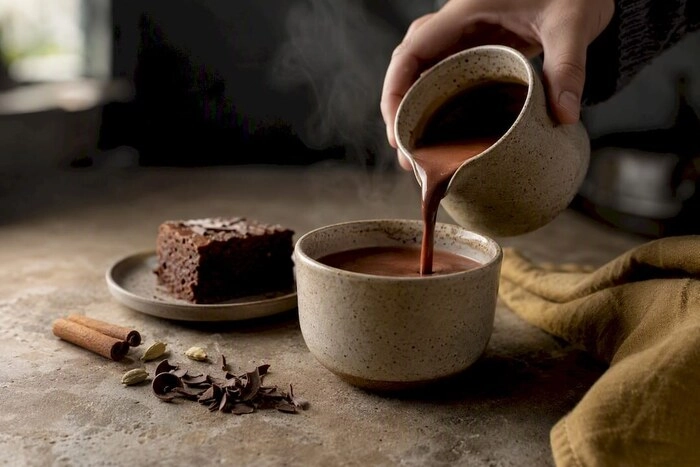
For home cooks: match spices to milk or dark chocolate, learn simple infusion methods, and use two tested recipes.
Cinnamon, cardamom, chilli, black pepper, vanilla, star anise, nutmeg and ginger are the most versatile spices for chocolate. The simplest method needs no special equipment: steep the whole spices in warm milk or cream, strain, then stir into melted chocolate. Use this base for a five-minute spiced hot chocolate or let it cool slightly and pour it over chopped dark chocolate for a fast spiced ganache.
TL;DR:
- Using whole spices and steeping in warm milk or cream creates a smooth infusion that enhances flavor without graininess or texture issues.
- Dark chocolate with at least 60% cocoa content maintains structure and taste when infused with spices, unlike lower-quality, compound chocolates.
- A small, gradual addition of spices such as cinnamon, cardamom, or chili results in better balance and reduces the risk of overpowering the chocolate.
- For best results, toast spices like cinnamon and cardamom before grinding to release more aromatic oils and intensify flavor.
- Proper storage of spices and chocolate helps prevent contamination, while refined techniques ensure a smooth, flavorful spicy chocolate experience.
Spiced chocolate only works when the spice has a job to do. Some soften bitterness, some cut through sweetness, and some simply make the cocoa taste more like itself.
Two pairings to try first: dark chocolate with cardamom and orange zest for a ganache filling, or milk chocolate with cinnamon and a whisper of chilli for a drink that will not frighten anyone at the table.
There are three ways to get spice into chocolate, and each suits a different result.
Start small and adjust by tasting. A working rule is a quarter to a half a teaspoon of ground spice per 250ml of milk, or per 200g of chocolate, then add more in tiny increments. It is far easier to intensify a mild spice mix than to rescue an overpowering one.
Pro Tip: Toast whole spices such as cardamom pods or cinnamon bark in a dry pan for 30 to 60 seconds until they smell fragrant, then cool before grinding. This releases far more aromatic oil than adding raw ground spice straight from the jar, and the difference is obvious on the first sip.
For anyone building up to bars rather than drinks, our guide to making homemade chocolate bars covers the tempering steps that keep infused chocolate glossy and snap-worthy.
Chai-spiced hot chocolate (serves 2)
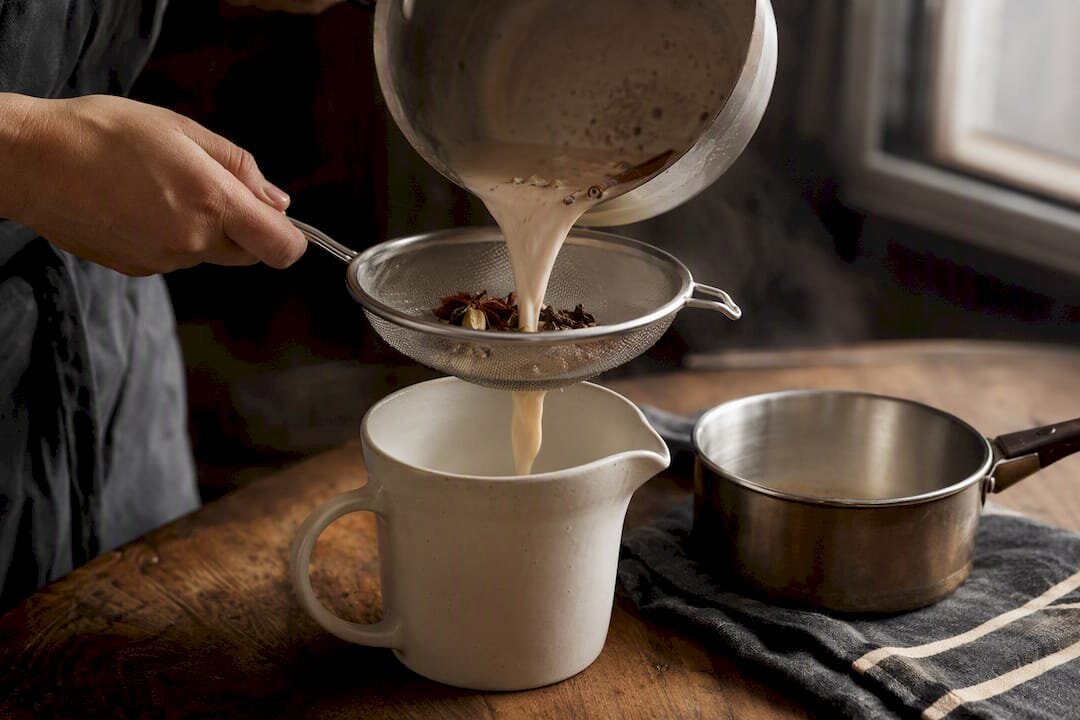
Warm the milk with the whole spices until steaming but not boiling, then let it steep for 8 to 10 minutes off the heat. This proportion of spice to milk mirrors the small, precise measures used in a tested Austrian recipe for warm spiced chocolate, which is a reliable starting point before you adjust to taste. Strain, return to low heat, add the chopped chocolate and stir until glossy. Finish with whipped cream if you like.
Spiced chocolate brownies (makes 12)
Melt the chocolate and butter together, whisk in sugar and eggs, then fold in the flour, cocoa and spices. A small proportion of chilli against the full batch of cocoa and sugar is enough to add warmth without tipping into heat, a balance confirmed in tested spiced-brownie recipes. Bake at a typical moderate oven temperature until a tester inserted into the center comes out with a few moist crumbs still clinging to it.
Leftover spiced ganache from either recipe makes an excellent dip for fruit or a filling for hand-rolled truffles the next day.
Sweetness, bitterness and heat all compete for attention in spiced chocolate, so introduce spice gradually and taste at every stage. A pinch of salt sharpens flavour without adding sweetness, while a splash of acid, such as a few drops of citrus, can lift a drink that tastes flat.
Where you add the spice changes the result. Steeping before melting gives a rounder, more integrated flavour; stirring ground spice in afterwards gives a brighter, more immediate hit that fades faster once refrigerated. Spice mellows over the first day or two in storage, so slightly overspicing a batch destined for the fridge is often the right call.
Store spiced chocolate items in an airtight container away from light and strong odours; ganache keeps for about a week refrigerated, while spiced bars and brownies keep at room temperature for several days if wrapped well.
Pro Tip: Before committing spice to a full batch, dip a spoon into a small test amount of warmed milk with one pinch of spice. You will know within seconds whether the ratio needs adjusting, long before you have wasted good chocolate.
Bamchocolate specialises in high-quality baking chocolate, confectionery ingredients and recipe content built for exactly this kind of experimentation. The site’s cooking chocolate and hot-chocolate ranges are formulated to melt evenly, which matters more than most home cooks realise when spices are competing for attention in the pan.
For readers wanting more grounding before they start, our articles on how to make great hot chocolate and seven suggestions for divine hot chocolate cover ratios and technique in more depth than a single recipe can.
Spiced chocolate recipes carry the usual chocolate allergens: milk, soya (common in commercial chocolate as an emulsifier), and tree nuts where a recipe calls for almond or hazelnut additions. Cross-contamination is worth checking on packaging if you are baking for someone with a nut allergy, since many chocolate products are made on shared lines.
Spices themselves are rarely flagged as major allergens, but a small number of people react to cinnamon or nutmeg in large quantities, and chilli sensitivity varies enormously between individuals. Start any new spice at a lower dose than the recipe suggests if you are cooking for guests whose tolerance you do not know.
Whole spices such as cardamom pods, star anise, cinnamon bark and cloves are a choking hazard if served undrained, particularly to children. Always strain steeped milk or cream thoroughly before serving a hot chocolate, and check no fragments of pod or bark have slipped through the sieve.
Ground chilli, in particular, can irritate the eyes and skin if handled carelessly. Wash hands after measuring, and consider gloves if you are working with anything hotter than a mild Kashmiri variety. None of these precautions should put you off experimenting. They simply mean building spice levels up gradually and being careful with what goes into the strainer, not the pan.
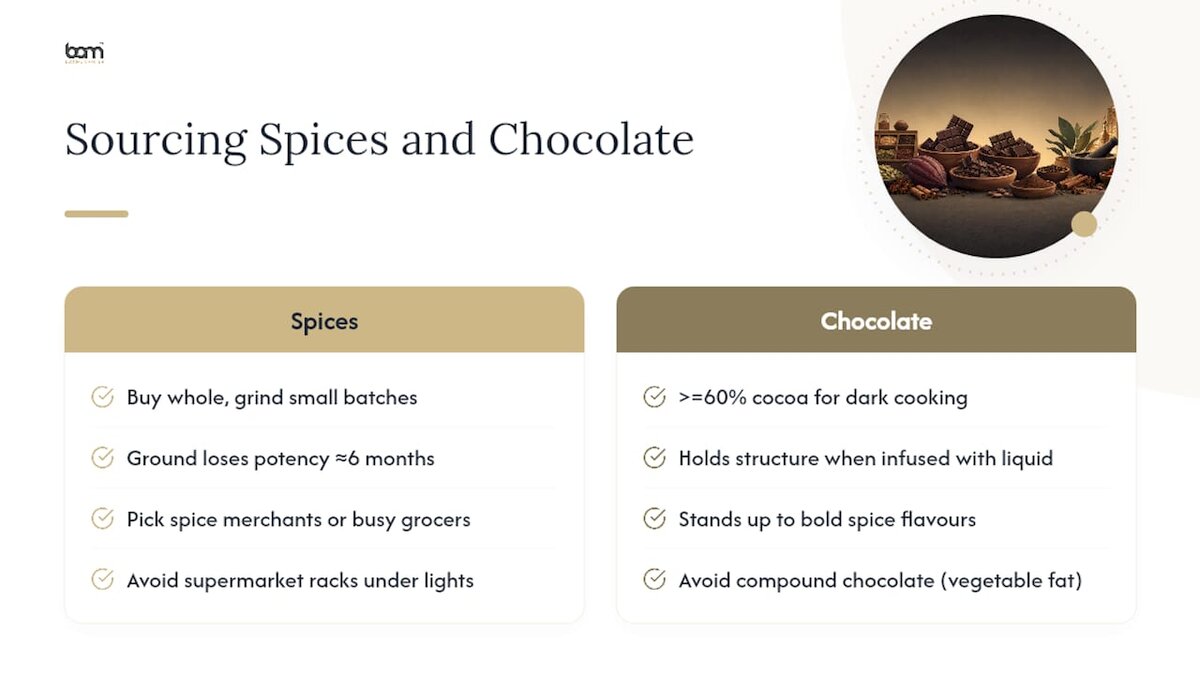
Ground spices lose potency fast, often within six months of grinding, so buy whole where possible and grind small batches as needed. A spice merchant or a well-stocked grocer with visible turnover will usually beat a supermarket rack that has sat under fluorescent lighting for a year.
Chocolate quality matters just as much as spice freshness. Cooking chocolate with a higher cocoa percentage, generally 60% or above for dark chocolate, holds its structure better when infused with liquid and stands up to competing spice flavours without disappearing. Cheaper compound chocolate, which substitutes vegetable fat for cocoa butter, melts unevenly and can turn grainy once spice and liquid are introduced.
If you enjoy pairing bold serving ideas with your spiced creations, presentation matters more than most home cooks admit. A few plating and presentation tips for home cooks can turn a simple spiced ganache into something worth photographing. For an adults-only finishing touch, a splash from a spiced or dark rum selection pairs surprisingly well with cinnamon and chilli notes in a dessert ganache.
Most advice on spicing chocolate overcomplicates the first step. Home cooks read about elaborate spice blends and assume they need a cupboard full of exotic jars before they can start. They do not. The evidence from tested recipes points the other way: a handful of reliable spices, used in small, tasted-as-you-go quantities, outperform ambitious blends nearly every time.
The bigger gap in most guidance is technique, not spice choice. Recipes list ingredients generously but rush past the steeping and straining steps that actually determine whether a drink tastes refined or gritty. Get the infusion right, and cinnamon and cardamom alone will outperform a six-spice blend applied carelessly.
If there is one thing to prioritise first, it is chocolate quality. Spice can rescue a bland chocolate slightly, but it cannot fix a poor one. Start with a cooking chocolate that melts cleanly, then build spice confidence from there.
— Andraz
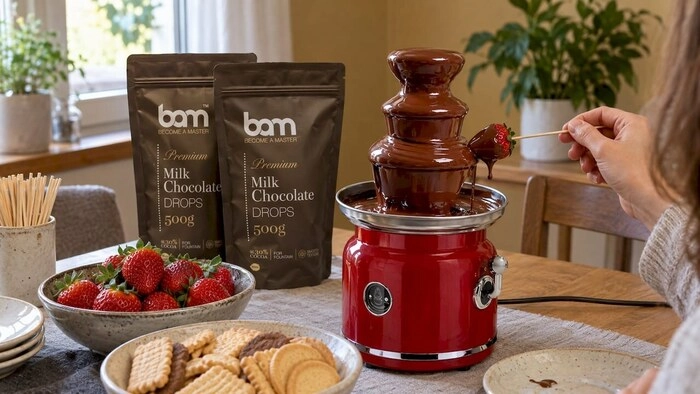
Getting spiced chocolate consistently right comes down to starting with chocolate that melts evenly and holds spice flavour without turning grainy or separating. The cooking chocolate and hot-chocolate ranges are built for reliable melting and infusion, so the spice work you put in during steeping can effectively show up in the final result. The baking accessories range covers the additives and tools that make infusion and tempering easier, while a curated bundle like the Basic Pastry Package gives you tested pairings and quantities to work from instead of guessing your first few batches. If you would rather start with a base built for spice, browse the baking accessories range and pick a chocolate and kit combination suited to the recipes above.
Live insects are not a recognised risk in commercially sold chocolate; any concern usually relates to poor storage of raw cocoa or spices, where pantry moths can occasionally infest improperly sealed products. Buying from a reputable retailer and storing chocolate and spices in airtight containers avoids this entirely.
Spiced chocolate itself is the current trend worth watching, with chilli, cardamom and cinnamon combinations appearing across drinks, bars and baked goods rather than any single named product. Some hot-chocolate and cooking chocolate lines reflect this shift toward bolder, spice-friendly formulations.
There is no reliable evidence that chocolate treats bronchitis, though warm spiced drinks with ginger or cinnamon can feel soothing on an irritated throat in the same way any warm liquid does. Speak to a doctor for actual respiratory symptoms rather than relying on food remedies.
Combine ground cinnamon as the base note with smaller pinches of cardamom, ginger and a touch of chilli or black pepper, then toast the whole spices first before grinding for a stronger aroma. Start with roughly a quarter to a half teaspoon of the finished blend per 250ml of milk or 200g of chocolate and adjust from there by tasting.


 Confectionery tips


 Slovenščina
 Hrvatski
 Deutsch
 Italiano
 Česky
 Polski
 Magyar
 Français
 Slovák
 Nederlands
 Español