 info@bamchocolate.com
  Login
Login 

 en
en 
 BAM Cake converter
  Login
Login Claudia
Avtorica vsebin


 Reading time:
10 minutes
Reading time:
10 minutes 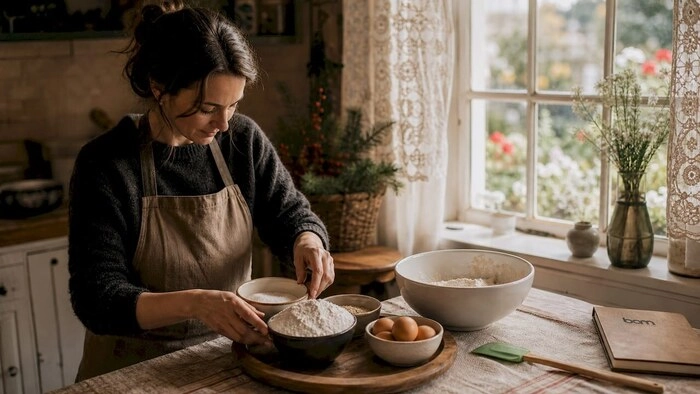
Discover essential holiday baking tips to create festive treats with confidence. Master techniques from experts for delicious results!
TL;DR:
- Effective holiday baking combines advance preparation, properly calibrated equipment, and creative ingredient use to ensure consistent and festive results. Key habits include measuring all ingredients beforehand, adjusting oven temperatures with a thermometer, and chilling dough to prevent spreading. Using simple ingredient swaps and no-bake desserts can reduce stress and enhance flavor, making the holiday baking experience more enjoyable and efficient.
Holiday baking tips are practical methods and creative ideas that help home bakers produce festive, delicious treats efficiently and with confidence. The best results come from combining smart preparation with creative ingredient use, not from following rigid recipes to the letter. Experts at Broma Bakery, Ina Garten, and Serious Eats all point to the same core habits: mise en place, calibrated ovens, and knowing how ingredients behave. Whether you are making spiced gingerbread, layered no-bake pies, or a tray of Christmas cookies, these techniques apply across every festive baking project.
Mise en place is the single most important habit for holiday baking success, according to culinary professionals including Ina Garten. The term means “everything in its place.” You measure, scale, and prepare every ingredient before mixing begins.
This habit prevents mid-recipe shortages, reduces baking anxiety, and keeps your workflow smooth. Discovering you are short on bicarbonate of soda halfway through a batch of gingerbread is a common and entirely avoidable problem. Pre-measuring dry ingredients into small bowls before you start solves it completely.
Pro Tip: Batch your dry ingredient sets the night before. If you plan to bake three types of biscuits, measure out three separate sets of flour, sugar, and spices in advance. This is exactly how experienced bakers produce 10+ cookie types efficiently in a single session.
Oven thermostats are frequently inaccurate. Oven temperature fluctuates enough to ruin a batch of shortbread or leave a Yule log underbaked at the centre. An external oven thermometer, costing under £10, removes all guesswork.
Place the thermometer on the rack you plan to use and preheat for at least 20 minutes. If your oven reads 180°C but the thermometer shows 165°C, adjust accordingly. This single step improves consistency across every recipe you bake during the festive season.
Rack position also matters. Most biscuits bake best on the middle rack, where heat circulates evenly. Convection settings reduce baking time by roughly 10–15%, so lower your temperature by 15°C when switching from conventional to fan-assisted mode.
Butter softened to around 18°C and eggs brought to room temperature before mixing are non-negotiable for proper emulsion. Cold butter does not cream correctly with sugar, which produces a dense, uneven crumb. Cold eggs can cause batters to split.
Take butter out of the fridge 45–60 minutes before baking. For eggs, place them in a bowl of warm water for 10 minutes if you forgot to take them out in advance. These small steps make a measurable difference in the final texture of cakes, biscuits, and pastry.
This principle applies to cream cheese in cheesecakes and soured cream in loaf cakes as well. Room-temperature dairy blends without lumps and produces a smoother, more consistent batter every time.
Chilling dough is one of the most effective seasonal baking techniques for producing neat, well-defined biscuits and cookies. Cold fat melts more slowly in the oven, which means your shapes hold their edges rather than spreading into flat discs.
Most biscuit doughs benefit from at least one hour in the fridge. Overnight chilling improves flavour as well as structure, because the flour has more time to hydrate fully. This is particularly noticeable in spiced doughs like gingerbread or cinnamon stars.
For pie crusts, the same logic applies. Thaw frozen doughs slowly in the refrigerator rather than at room temperature. Rapid thawing softens the fat too quickly and compromises the flaky layers you are working to achieve.
Transforming a boxed cake or brownie mix into something that tastes homemade is straightforward. Use milk instead of water, melted butter instead of oil, and add an extra teaspoon of vanilla. These three swaps alone produce a noticeably richer result.
Broma Bakery endorses this approach specifically for busy holiday periods when time is short but quality still matters. The fat content in butter adds flavour that vegetable oil cannot replicate. Milk adds protein and a slight creaminess that water simply does not provide.
Pro Tip: Add a tablespoon of soured cream or full-fat Greek yoghurt to boxed brownie mixes. It adds moisture and a subtle tang that makes the finished product taste far more complex. For more ideas on improving cake texture, Bamchocolate has a dedicated guide worth reading.
Spices are the fastest way to give baked goods a festive identity. Doubling the ginger in an apple pie or pairing it with molasses and brown sugar creates a depth of flavour that a standard recipe does not deliver. Peppermint extract added to chocolate brownies produces an instant Christmas feel.
Do not limit yourself to the quantities listed in a recipe. Taste your dough or batter before baking and adjust. Spices lose potency over time, so a jar of ground cinnamon that has been in your cupboard for two years will need a heavier hand than a freshly opened one.
For chocolate-based bakes, white chocolate opens up a different flavour profile entirely. It pairs well with cranberry, pistachio, and cardamom, all of which feel seasonal and distinctive on a Christmas dessert table.
Pie crust freezes for up to one month and most cookie doughs keep well in the refrigerator for at least a week. Spreading your baking prep across several days rather than attempting everything in one session is the most practical stress-reduction strategy available to home bakers.
Portion and freeze cookie dough balls on a lined tray, then transfer them to a freezer bag once solid. You can bake directly from frozen, adding two to three minutes to the standard baking time. This means fresh biscuits are available throughout the festive period without repeated full baking sessions.
Pie crusts benefit from the same approach. Make a double batch, wrap each disc tightly in cling film, and freeze. Thaw overnight in the fridge before rolling. The texture is indistinguishable from freshly made pastry.
Experts recommend pairing one labour-intensive showstopper with simpler no-bake or make-ahead items to manage host workload during the holidays. A three-tier celebration cake alongside a chocolate mousse and a chilled cheesecake gives guests variety without exhausting the baker.
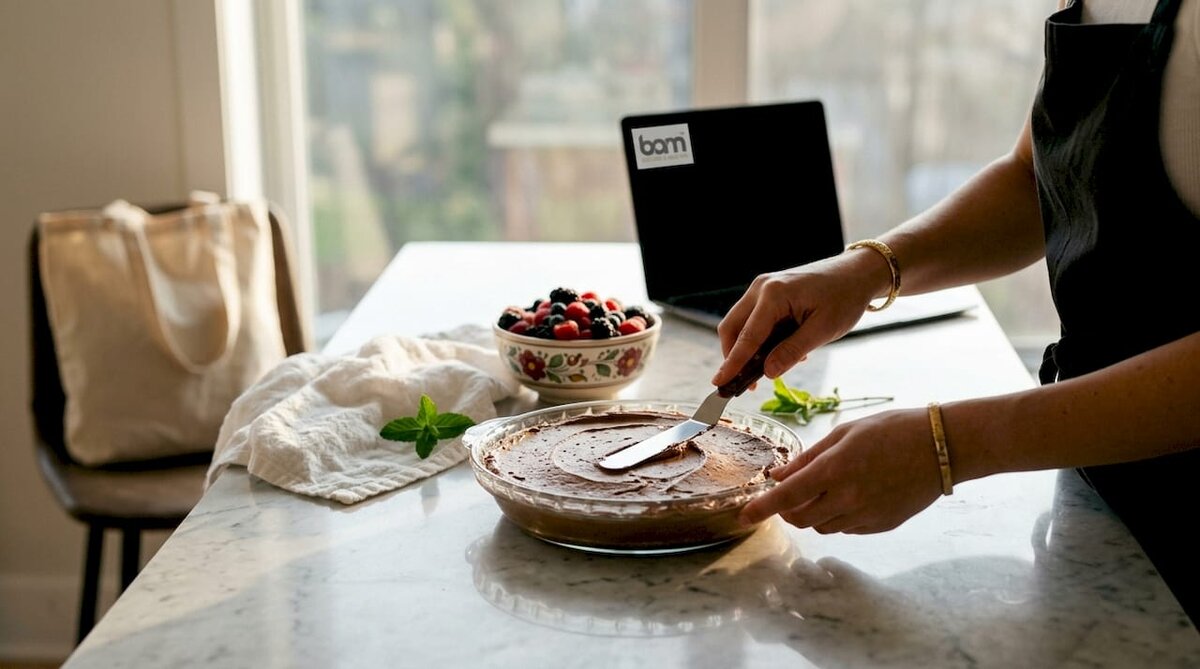
No-bake desserts typically require 20–30 minutes of active preparation followed by 4–6 hours of chilling. Peppermint pie, chocolate mousse, and chilled trifle all fall into this category. They can be made the day before, which frees up oven time and reduces day-of pressure considerably.
For a quick festive option that requires no oven at all, homemade chocolate treats are an excellent choice. They also double as gifts, which adds practical value to the time you invest.
A single shortbread or sugar cookie dough can produce four or five distinct biscuit types with minimal extra effort. Divide the base dough into portions, then add different flavourings to each: cocoa powder, lemon zest, almond extract, or crushed candy cane.
This approach reduces the number of separate recipes you need to manage and keeps washing up to a minimum. It also means you can offer guests a varied selection without spending an entire day in the kitchen.
For holiday cookie decorating tips, the same logic applies to icing. Make one batch of royal icing and divide it into smaller bowls, then colour each portion separately. You get a full decorating palette from a single recipe.
Clean presentation separates a professional-looking dessert from a messy one. Warming and drying a knife before slicing layered no-bake desserts prevents smearing and produces sharp, clean edges. Run the blade under hot water, wipe it dry, and slice in one smooth downward motion.
This technique is particularly effective for chilled cheesecakes, peppermint pies, and layered chocolate tarts. Wipe the blade clean between each cut. The result looks considerably more polished and holds its shape on the plate.
The same principle applies to biscuits and cakes that have been chilled before serving. A cold, firm dessert slices far more cleanly than one at room temperature.
The most effective holiday baking strategy combines advance preparation, calibrated equipment, and creative ingredient use to produce consistent, festive results with less stress.
| Point | Details |
|---|---|
| Mise en place is non-negotiable | Measure and prepare all ingredients before mixing to avoid mid-recipe mistakes. |
| Calibrate your oven | Use an external thermometer to correct temperature inaccuracies before every baking session. |
| Freeze doughs in advance | Cookie dough keeps for one week refrigerated; pie crust freezes for up to one month. |
| Balance effort across your menu | Pair one complex showstopper with two or three no-bake or make-ahead desserts. |
| Simple swaps improve boxed mixes | Replace water with milk and oil with melted butter for near-homemade flavour and texture. |
The advice I give most often is the advice I ignored the longest: preparation is the skill, not the recipe. For years I treated holiday baking as a test of endurance, attempting six different recipes in a single afternoon and wondering why the results were inconsistent. The turning point was adopting mise en place properly, not as a vague idea but as a strict rule. Everything measured, everything at the right temperature, everything in its place before the mixer switched on.
The second thing I would tell any home baker is to stop being precious about boxed mixes. A well-upgraded brownie mix, made with melted butter, milk, and a generous pour of vanilla, can outperform a from-scratch recipe made carelessly. Holiday baking success depends far more on how you handle ingredients than on which recipe you follow.
My honest advice for christmas baking this year: pick one recipe that genuinely excites you and do it properly. Fill the rest of your table with no-bake desserts, make-ahead truffles, and chilled pies. Your guests will not know the difference, and you will actually enjoy the process.
— Andraz
The right ingredients and accessories make every festive baking project easier. Bamchocolate stocks a full range of baking accessories and additives designed for home bakers who want consistent, professional results. From precision tools to premium chocolate and flavouring extracts, everything you need for the holiday season is in one place. For bakers who want a ready-made starting point, the BAM Basic pastry package bundles core ingredients together so you can skip the sourcing and get straight to baking. Browse the full range at Bamchocolate and set your kitchen up for a successful festive season.
Mise en place is the most important step. Measuring and preparing all ingredients before you begin prevents mid-recipe errors and keeps your workflow consistent.
Cookie dough keeps in the refrigerator for at least one week, and pie crust freezes for up to one month. Baking in stages across several days reduces stress significantly.
Chill your dough for at least one hour before baking. Cold fat melts more slowly in the oven, which helps biscuits hold their shape and defined edges.
No-bake desserts such as chocolate mousse and peppermint pie require 20–30 minutes of preparation and 4–6 hours of chilling. They are ideal make-ahead options that free up oven time on the day.
Warm your knife under hot water, wipe it dry, and slice in one smooth motion. Wipe the blade between each cut for clean, professional-looking portions.


 Confectionery tips



 Slovenščina
 Hrvatski
 Deutsch
 Italiano
 Česky
Česky
 Polski
 Magyar
 Français
 Slovák
 Nederlands
 Español