 info@bamchocolate.com
  Login
Login 

 en
en 
 BAM Cake converter
  Login
Login Claudia
Avtorica vsebin


 Reading time:
10 minutes
Reading time:
10 minutes 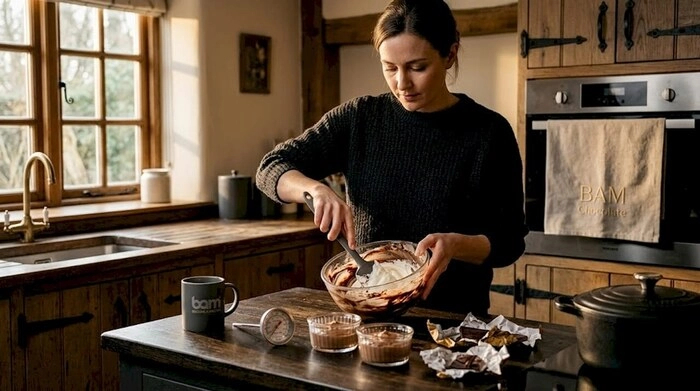
Discover how to make chocolate mousse effortlessly with our foolproof guide. Master classic and no-egg recipes for a perfect dessert!
TL;DR:
- Making chocolate mousse successfully relies on precise temperature control, gentle folding, and patience during chilling. Using high-quality ingredients like dark chocolate with 60–70% cocoa and properly whipped cream and egg whites ensures an airy, flavorful result. Both traditional egg-based and quick no-egg recipes can yield delicious mousse with proper technique and appropriate storage.
Chocolate mousse looks deceptively simple on a restaurant menu, but anyone who has tried making it at home knows the frustration of ending up with something dense, grainy, or flat. Learning how to make chocolate mousse well comes down to three things: the right ingredients, precise temperature control, and a patient hand when folding. This guide walks you through a classic egg-based chocolate mousse recipe, a quick no-egg alternative, and every technique you need to get it right the first time. No culinary school required.
| Point | Details |
|---|---|
| Temperature is everything | Cool melted chocolate to 85–90°F before combining to prevent seizing or deflation. |
| Fold, never stir | Use a large rubber spatula with gentle lifting motions to preserve the air you have whipped in. |
| Chill time matters | Allow at least 2–4 hours in the fridge before serving for a properly set mousse. |
| Eggs need safe handling | Heat egg yolk mixtures to 71°C to eliminate bacteria without compromising texture. |
| Quick versions work well | A 2 to 4 ingredient no-egg mousse takes as little as 10–20 minutes of active prep. |
Getting the right chocolate mousse ingredients on the table before you start is half the battle. Quality matters more here than in most baking.
Chocolate. The type you choose shapes everything about the final result. Use the table below as a quick reference:
| Chocolate type | Cocoa content | Flavour profile | Texture effect |
|---|---|---|---|
| Dark (70%+) | High | Intense, slightly bitter | Firm, rich mousse |
| Dark (50–65%) | Medium-high | Balanced, smooth | Classic mousse texture |
| Milk chocolate | Medium-low | Sweet, creamy | Softer, lighter set |
| White chocolate | None | Sweet, vanilla-forward | Very soft, needs more gelatine |
For a classic chocolate mousse dessert, a dark chocolate with 60–70% cocoa gives you the best balance of flavour and structure. You can read more about choosing baking chocolate on the Bamchocolate blog.
Cream. Use double cream with at least 35% fat. Ultra-pasteurised creams often fail to whip properly and produce a weaker mousse texture. Standard fresh double cream is your safest option.
Eggs. A classic recipe uses both yolks (for richness) and whites (for lift). If you are cooking for vulnerable groups, use pasteurised eggs or follow the cooked yolk method described in the next section.
Tools you will need:
Pro Tip: Chill your serving glasses in the fridge for 15–20 minutes before filling. Pre-chilling serving dishes prevents the mousse from softening too quickly and improves its final structure.
This egg-based chocolate mousse recipe produces a light, airy result with deep flavour. Follow each step carefully, particularly the temperature guidance.
Melt the chocolate. Break 200g of dark chocolate into a heatproof bowl set over a pan of barely simmering water. Stir gently until smooth, then remove from the heat. Allow it to cool until it reaches 85–90°F (29–32°C). If the chocolate is too hot when it meets the other ingredients, it will deflate the mixture. Too cold and it seizes into lumps.
Prepare the egg yolks safely. Whisk 4 egg yolks with 60g caster sugar in a heatproof bowl. Place over the simmering water and whisk continuously until the mixture thickens and reaches 71°C on your thermometer. This is the pâte à bombe method. It pasteurises the yolks while keeping the mousse texture intact. Remove from heat and whisk until cool and pale.
Whip the cream. Pour 300ml of cold double cream into a chilled bowl. Whisk to soft or medium peaks. Over-whipping cream to stiff peaks leads to a grainy texture when folded. Stop as soon as the cream holds a gentle shape.
Whip the egg whites. In a separate, spotlessly clean bowl, whisk 3 egg whites to soft peaks. Even small traces of fat will prevent the whites from whipping. Separate your eggs while cold, then let the whites come to room temperature before whisking for maximum volume.
Combine chocolate and yolks. Fold the cooled chocolate into the yolk mixture using a large rubber spatula. Work in slow, deliberate strokes.
Fold in the cream. Add one third of the whipped cream to the chocolate mixture and stir gently to loosen it. Then fold in the remaining cream in two additions, using a lifting and turning motion rather than stirring.
Fold in the egg whites. Add the whites in two additions. Gentle folding with a large rubber spatula preserves the air bubbles that give mousse its lightness. Stir and you will lose them.
Portion and chill. Spoon or pipe the mousse into your pre-chilled glasses. Cover with cling film and refrigerate for at least 2–4 hours before serving.
The secret to restaurant-quality mousse lies in precise temperature control and patient folding. Rush either step and the texture suffers.
Pro Tip: If your mousse looks slightly lumpy after folding in the chocolate, the chocolate was too cool. Next time, keep it closer to 88°F. You can sometimes rescue it by placing the bowl briefly over warm water and folding again, but work quickly.
Not everyone wants to work with eggs, and easy chocolate mousse versions using just 2 to 4 ingredients are genuinely good. They take 10–20 minutes of active prep and suit anyone cooking for pregnant women, young children, or elderly guests.
The most reliable no-egg method uses only chocolate and double cream. Melt 200g of dark chocolate and allow it to cool slightly. Whip 400ml of double cream to medium peaks, then fold the chocolate through in two additions. That is it. The result is denser than a traditional mousse but still smooth and satisfying.
Here is how the main variants compare:
| Recipe type | Key ingredients | Prep time | Texture | Best for |
|---|---|---|---|---|
| Classic egg-based | Chocolate, cream, eggs, sugar | 30–40 min | Light, airy | Special occasions |
| No-egg cream only | Chocolate, double cream | 10–15 min | Rich, dense | Quick desserts |
| Aquafaba vegan | Dark chocolate, aquafaba | 20–25 min | Light, slightly less stable | Vegan guests |
| Condensed milk | Chocolate, cream, condensed milk | 10 min | Very sweet, creamy | Casual entertaining |
For a vegan chocolate mousse recipe, aquafaba (the liquid from a tin of chickpeas) whips into stiff peaks and behaves similarly to egg whites. Use 120ml of aquafaba in place of 3 egg whites. The flavour is neutral and the texture is surprisingly close to the real thing.
Serving suggestions for no-egg mousse:
Once your mousse is made, patience is the final ingredient. Mousse needs a minimum of 2–4 hours to set properly in the fridge. An egg-based version is best consumed within 48 hours. A custard-based or no-egg version keeps for up to 5 days when covered correctly.
Storage tips that actually make a difference:
When it comes to serving, remove the mousse from the fridge 10–15 minutes before serving. This allows the flavour to open up and the texture to soften slightly without losing its shape.
For presentation, keep it simple. A quenelle of whipped cream, a few shavings of good dark chocolate, or a single fresh raspberry on top is all you need. If you want to go further, a light dusting of cocoa powder or a drizzle of caramel works well.
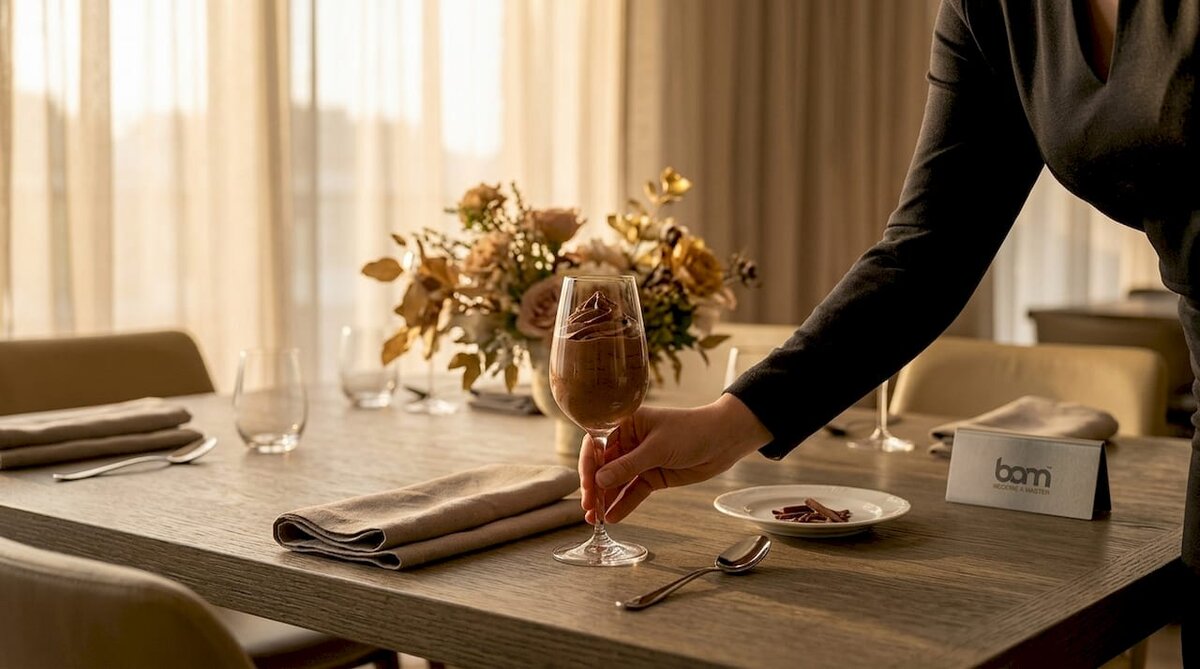
Pro Tip: If you are making mousse ahead for a dinner party, prepare it the evening before. This actually improves the texture, as the mousse has more time to set and the flavours develop overnight.
Even experienced cooks run into problems with mousse. Here are the most common issues and what causes them.
Grainy or lumpy texture. Usually caused by chocolate that was too hot or too cold when combined with the other ingredients. Hot chocolate shocks the cream and causes deflation. Cold chocolate seizes into solid flecks. Always check the temperature before folding.
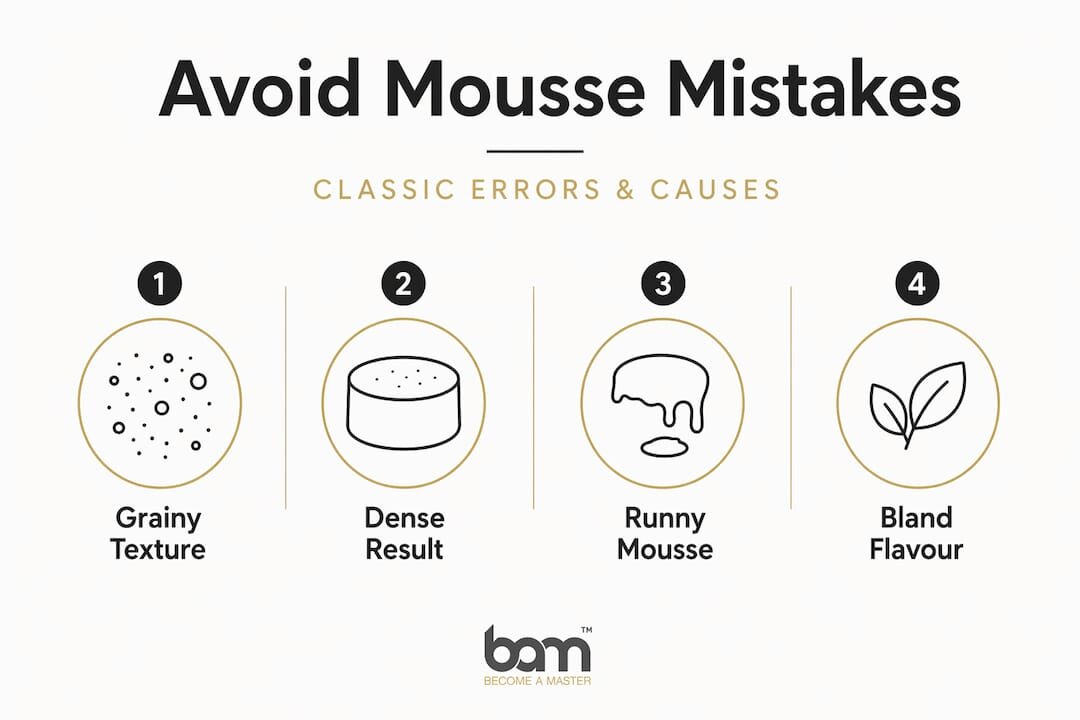
Flat, dense mousse. The most likely cause is over-mixing or stirring rather than folding. Once you stir out the air bubbles, there is no recovering them. If you notice the mixture deflating as you fold, stop immediately and work more gently.
Cream that will not whip. Check the fat content of your cream. Low-fat or ultra-pasteurised cream often fails to reach the right consistency. Also check that your bowl and whisk are completely clean and cold. Warm equipment slows the process significantly.
Egg whites that collapse. Any grease in the bowl will prevent whites from whipping. Wipe the bowl with a cut lemon or a little white wine vinegar before starting. Also avoid over-whipping to stiff peaks. Soft peaks fold in more easily and hold their structure better in the final mousse.
If your mousse has already deflated after folding, you can sometimes rescue it by gently folding in a small amount of freshly whipped cream. It will not be as light as the original, but it will still taste good.
I have made chocolate mousse more times than I can count, and the version that consistently impresses people is not the fanciest one. It is the classic egg-based method made carefully, with good chocolate and a thermometer close at hand.
The biggest mistake I see home cooks make is skipping the temperature checks. I used to do it myself, assuming that “cool enough to touch” was good enough for the chocolate. It is not. A few degrees too warm and the cream deflates. A few degrees too cool and you get grainy specks throughout. Spending two minutes with a thermometer saves the whole batch.
My other honest opinion: the no-egg version is genuinely worth knowing. I reach for it when I am short on time or cooking for guests where raw egg is a concern. The texture is different but not inferior. It is just a different kind of mousse. Richer, denser, still delicious.
If you want to go deeper on technique, the Bamchocolate guide on light and creamy chocolate mousse is worth reading alongside this one. And if you are curious about how chocolate type affects the final result, the article on types of chocolate gives a clear breakdown.
Start with the classic method once. Then experiment.
— Andraz
Making a great chocolate mousse starts with quality ingredients and the right tools. Bamchocolate stocks everything you need to get consistent results at home, from premium baking-grade chocolates to professional-grade accessories.
The baking accessories range includes spatulas, thermometers, piping tools, and mixing bowls suited to mousse and other precision desserts. For those who want a ready-to-go set of confectionery ingredients, the BAM Basic pastry package covers the core components for mousse, ganache, and more. If you are planning to make mousse regularly or want to explore other chocolate desserts, the BAM Confectionery set Creamy fillings offers a curated selection of creamy bases and flavourings that pair beautifully with chocolate.
Browse the full range at Bamchocolate and find what suits your kitchen.
Chocolate mousse needs a minimum of 2–4 hours in the fridge to set properly. For best results, make it the evening before you plan to serve it.
Yes. A simple no-egg mousse uses only chocolate and double cream, with 10–15 minutes of active prep. It produces a richer, denser texture than the classic version but is safe for all groups.
Graininess usually means the melted chocolate was the wrong temperature when combined with cream or eggs. Cool chocolate to 85–90°F before folding to avoid this.
Egg-based mousse keeps for up to 48 hours. A custard-based or cream-only version lasts up to 5 days when covered tightly with cling film.
Remove mousse 10–15 minutes before serving to allow the flavour and texture to reach their best without the mousse losing its structure.



 Confectionery tips


 Slovenščina
 Hrvatski
 Deutsch
 Italiano
 Česky
Česky
 Polski
 Magyar
 Français
 Slovák
 Nederlands
 Español